


/ GIFTING ● A KURLECTIVE STORY
The Curious Art of Giving a Good Gift.
The best gifts are less about finding something impressive and more about paying attention to the person who will open them.

A present is easy to buy in principle. Find something attractive, wrap it, hand it over. The trouble starts with the little voice asking whether the recipient already owns three of them, has secretly been trying to get rid of one, or would prefer a quiet afternoon to another object on a shelf.
That voice is not the enemy of generosity. It is evidence that you are thinking about another person. Good gifting usually begins there, well before the browsing. The cleverest present is not necessarily the most original or expensive. It is the one that suggests somebody has been paying attention.
Notice what people repeat
We often remember the grand stories people tell us and overlook the small details they offer every week. A friend always carries a notebook but complains about running out of pages. Someone makes tea in the same chipped mug each morning. A sibling mentions the same film every time you meet. These repeated habits are surprisingly useful clues.
Think less about what the recipient might admire in a shop and more about what would fit comfortably into their life. If somebody loves an evening ritual, a scented candle might be lovely. If they dislike fragrance or already have a cupboard full of candles, the idea falls apart. A good gift respects preferences as much as it reflects affection.
Consider the difference between gifting an object and improving a routine. The first gives someone one more thing. The second might make an existing pleasure easier, more beautiful or more frequent.
Small, specific beats large and vague
There is a temptation to choose a grand gesture when we are unsure what to say. A large box can make the giver feel reassuringly generous. But specificity is usually more memorable than scale. The perfect small bowl for someone's collection, a book on a subject they cannot stop discussing, or a refill of a much loved product can carry more meaning than a lavishly chosen unknown.
Humour helps, when it is kind. A peculiar little object that references a shared joke can be delightful, particularly if it is paired with something useful. The distinction is between a present that makes two people smile and a present that relies on embarrassing one of them.
And never underestimate the note. Three sentences explaining why you chose something can turn an ordinary item into a personal one. The object may be replaceable; the explanation usually is not.
Give a little more of a good thing
Some of the best gifts are upgrades to something somebody already enjoys. A person who reads might appreciate a carefully chosen edition or a warm reading light. A home cook could value a tool that solves a recurring irritation. A friend who keeps flowers might enjoy a vase that suits the arrangements they actually buy, not a sculpture that takes up half the table.
This approach requires restraint. An enthusiast may have very particular opinions about their hobby. The more specialised their interest, the less safe it is to improvise a technical purchase. When in doubt, choose something adjacent: a book, an experience, or a thoughtful way to support their interest without pretending to know more about it than they do.
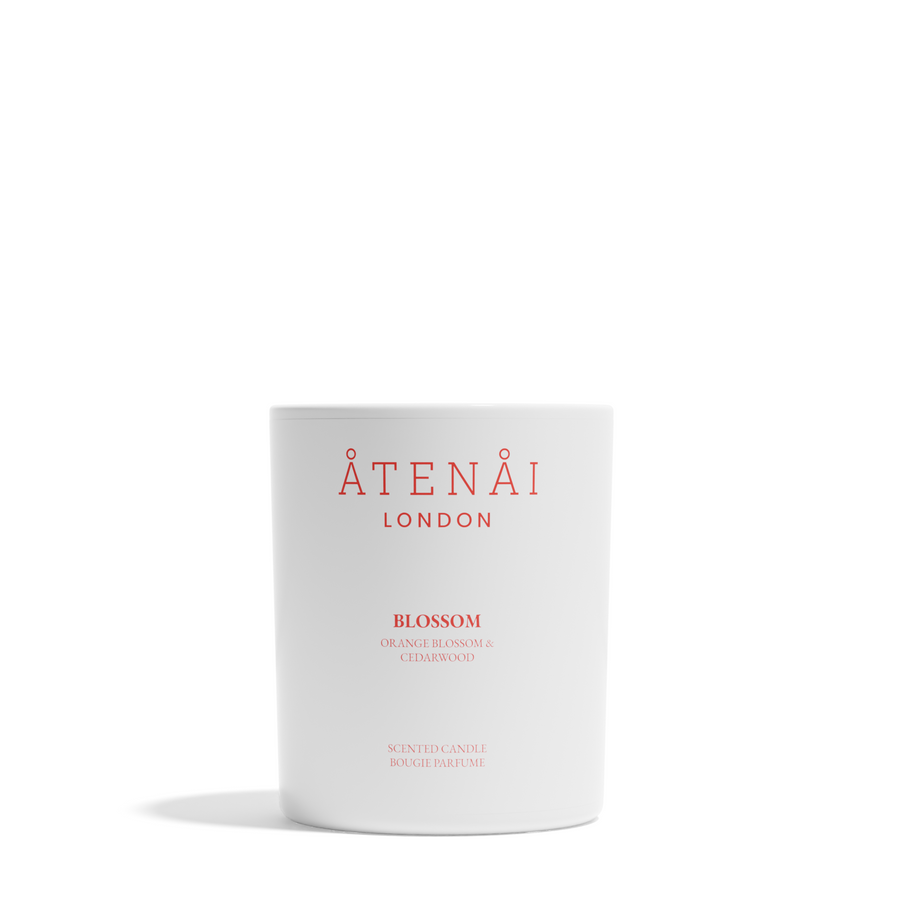
For a person who loves an evening at home, something like an Atenai candle might be an idea to explore. But the point is not the category. It is whether the person enjoys that kind of small ritual in the first place.
A thoughtful present says, in its own modest way, 'I noticed.'
Consider what the gift asks of the recipient
Every present comes with some invisible practical questions. Does it need charging, cleaning, storing, displaying or exchanging? Is it fragile? Does it demand a shelf the recipient does not have? A huge decorative object can feel less like generosity and more like an unexpected storage assignment.
Food can be wonderful, but allergies and dietary choices matter. Fragrance is personal. Clothing requires sensitivity to size, fit and taste. Experiences need to work around time, travel and caring responsibilities. Even a well intended surprise loses some charm when it creates an obligation.
This is why vouchers and shared plans are not automatically lazy. A specific invitation to choose a book together, an afternoon at a favourite gallery or a meal arranged around someone's schedule can be much more personal than a random luxury accessory.
The relationship changes the rules
A colleague may appreciate a small, uncomplicated gesture that does not demand a response. A close friend might love an elaborate in-joke. A parent could be moved by a photograph or a repaired family object. Someone who has just moved home may want practical help far more than an ornament.
There is no universal gift guide because people do not arrive in universal categories. 'Gifts for her' is a weak substitute for knowing whether she loves gardening, cooking, running, contemporary art or being left alone with a good novel.
The closer you get to the person's actual interests, the easier it becomes to avoid assumptions. You may still get it wrong. That is part of the risk of trying to delight another human being rather than complete a transaction.
A gift need not be purchased
A framed recipe written by someone important, a playlist made with care, an offer to babysit so a friend can have an uninterrupted evening, or the return of a borrowed book with a note tucked inside can be generous in ways that no price tag describes.
Handmade presents work especially well when the making is part of the gift, not when it quietly obliges someone to display or wear something they would never choose. The same goes for sentimental gifts. They are strongest when the feeling is shared, rather than imposed.
If you do buy something, give yourself a little time. A rushed search tends to reward the first item that looks sufficiently gift-like. Waiting long enough to remember a person's preferences can save money, disappointment and wrapping paper.
Wrap the thought, not just the thing
Presentation matters because it makes the exchange feel considered. It need not involve elaborate ribbons or an expensive box. A favourite colour, a handwritten label or a reused piece of beautiful paper can create a small moment of anticipation.
Then let go of the outcome. The recipient may love it, exchange it, use it quietly or give it away later. A gift is not a test of whether someone values your taste. It is a gesture offered freely.
Perhaps that is the curious art: to choose with enough attention that the present feels particular, then give it with enough generosity that the person remains free to enjoy it their own way.
If you are thinking about everyday objects that genuinely earn their place, read What Makes Something Worth Owning?.
/ INSPIRED BY THIS STORY
Shop the story.
Pieces worth a closer look, inspired by this story.



Browse these pieces on Kurlective. Check current availability with the retailer. Kurlective may earn a commission from qualifying retailer links.