


/ DISCOVERY ● A KURLECTIVE STORY
The Joy of Shopping Beyond the Obvious.
Sometimes the most interesting discovery is the label, material or object you were not looking for in the first place.

You begin looking for a lamp and end up thinking about a chair. You search for a simple bag and discover a maker whose colours seem to belong to an entirely different mood from the one you had in mind. Sometimes nothing is bought at all. The useful part was seeing something that altered your idea of what you wanted.
That is one of shopping's underappreciated pleasures. There is value in finding exactly what you came for, but there is also delight in being shown another possibility. Not an endless stream of distractions. Just the right unfamiliar thing at the right moment.
The limits of knowing exactly what you want
Search is wonderful when the answer is already clear. If you need a specific size of replacement bulb or a particular model of charger, surprises are mostly an inconvenience. But many purchases begin as feelings rather than specifications. A room seems dull. An outfit needs something. A present should feel more personal than the usual choices.
For those situations, a search box can be too literal. We use words we already know to describe ideas we have not fully formed. The results may become a more polished version of the same familiar options. Browsing across different shops, makers and categories offers a different kind of information: not just answers, but new questions.
A woven chair might change how you think about a reading corner. A scarf with an unfamiliar print may reveal a colour combination worth trying with clothes you own. A thoughtful little domestic object can send you back to a room with fresh eyes.
Different shops teach different things
A specialist retailer may explain construction or function in more detail than a general department store. An independent maker may offer an unusual colour or scale. An established brand may provide a familiar baseline for comparing materials and price. None has a monopoly on good things.
The pleasure comes from moving between these perspectives. You may begin with the comfort of a name you know and end up appreciating the design of a smaller label. Or discover that the widely available product does the job perfectly and there is no need to search further.
Curiosity is not the same as novelty for its own sake. Buying something different simply because it is different can be as unthinking as buying the obvious choice. The aim is to widen the set of considered possibilities, then choose well.
Follow the interesting detail
One reliable way to browse is to begin with a detail rather than a product category. Perhaps you keep noticing rounded handles, deep green glass, woven textures or a particular shade of blue. Following that thread across furniture, fashion and everyday objects can teach you what actually attracts you.
Look at an expressive handbag, for example, and ask whether it is the colour, the material, the ornament or the shape that appeals. A reader who loves the texture but not the scale might follow that idea towards smaller accessories or even home objects.
That process is more useful than treating any single product image as the final answer. It helps turn browsing into a way of understanding taste, rather than a contest to find the first thing that looks approximately right.
The best discovery is not always a new thing to buy. Sometimes it is a new way to see the things you already like.
Comparison can make taste more confident
Compare a few options without rushing to crown a winner. What changes when the material changes? Which object seems easiest to use? Why does one shape feel calmer and another more expressive? What might need more care? Is the difference meaningful to your daily life, or mostly visual?
This sort of comparison asks more of the shopper than scanning a star rating. It also gives people permission to disagree. There is rarely a single best chair, watch or gift for everybody. The most helpful edit is one that shows its point of view without pretending that taste has been solved.
Take a woven chair, a scented candle and a sporty watch. They are not an outfit or a matching collection. Together they are a reminder that different product categories reward different kinds of attention: comfort, fragrance, legibility, material, proportion. Browsing broadly makes those questions available to you.
The role of someone else's point of view
Good curation can be useful precisely because it does not show everything. An editor, shopkeeper or trusted friend might notice a detail you would otherwise miss, or pair objects that would never appear beside one another in a conventional search result.
But a selection should not become an instruction. An unfamiliar label is not inherently better than a household name, and a beautifully arranged product rail is not proof of suitability. Ask who made the choice, what they valued and whether those values are relevant to you.
At Kurlective, bringing together products and stories can offer one starting point for that exploration. The final judgement should still belong to the person doing the shopping. It is their budget, their body, their home and their taste.
Leave a little room for surprise
You can make browsing less predictable without making it endless. Look beyond the first familiar brand. Open one specialist store. Compare a practical and an expressive version of the same object. Look at something made for a different context and ask which idea could translate into your own.
When a product interests you, investigate it properly: dimensions, materials, care, return terms and actual availability. The delight of a discovery should survive the realities of using it. If it does not, you have learned something useful and can move on.
Sometimes the final choice will be the thing you came to buy. Sometimes it will be a small, unexpected object that makes life more interesting. Either outcome is more satisfying when you feel you have genuinely looked.
The next time you begin a search, allow yourself a few minutes to wander beyond the answer you expected. Curiosity is not a reason to buy more. It is a reason to notice more.
/ INSPIRED BY THIS STORY
Shop the story.
Pieces worth a closer look, inspired by this story.

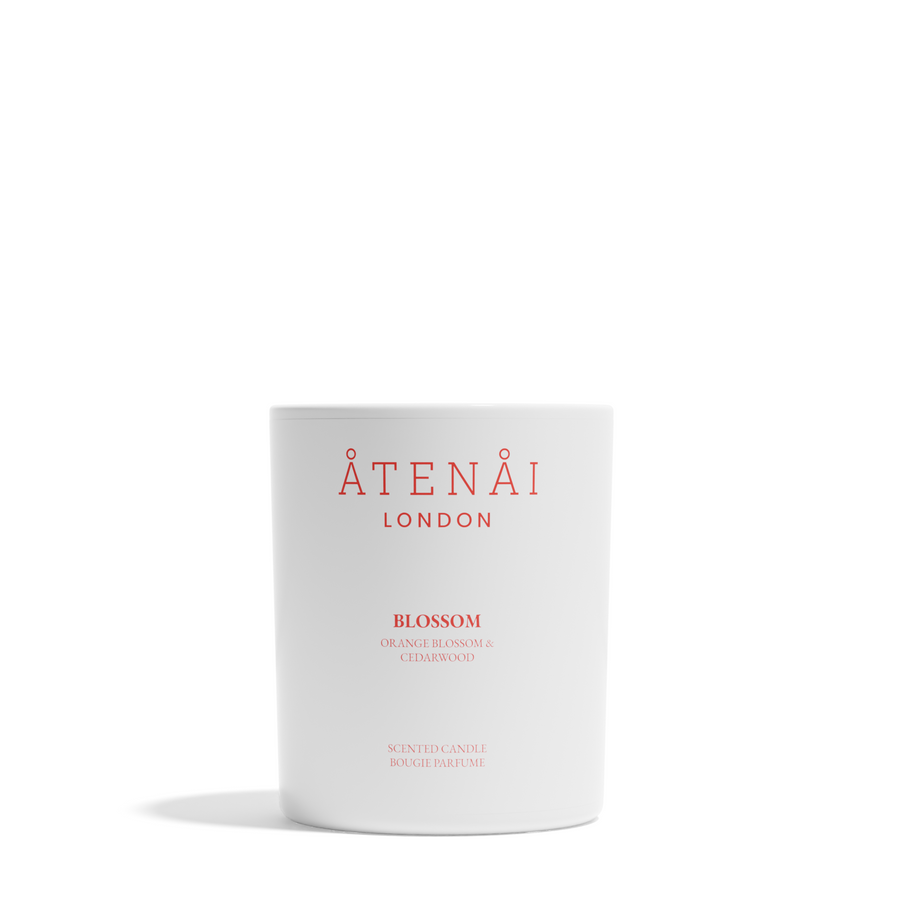


Browse these pieces on Kurlective. Check current availability with the retailer. Kurlective may earn a commission from qualifying retailer links.