


/ BUYING GUIDES ● A KURLECTIVE STORY
Good Clothes Have a Way of Giving Themselves Away.
A closer look at fabric, seams, fit and finish ... the details that can tell you something useful about the clothes you buy.

Turn a jacket inside out. It is an oddly intimate thing to do in a shop, but it changes the conversation. Suddenly the garment is not just a silhouette on a hanger. You can see the seams, the lining, the places where the maker chose to spend time and the places where they chose not to.
Good clothing often reveals itself this way: less through a dramatic logo than through a series of small, thoughtful decisions. Not every good garment is expensive, and not every expensive garment is good for you. Learning to look closely gives you something more useful than a list of supposedly superior brands. It gives you your own judgement.
First, feel the fabric
People talk about a fabric's 'hand' as though it is a mysterious property. It simply describes the way a textile feels and behaves: smooth or dry, crisp or soft, springy or fluid. Pick up a sleeve and allow it to fall. Scrunch a small section gently and release it, if the garment can tolerate it. Notice whether the cloth recovers, clings, stretches or hangs with some structure.
None of those qualities is automatically best. A crisp cotton shirt and a soft jersey top have entirely different jobs. A fabric that drapes beautifully on a hanger may feel too delicate for a crowded commute; a substantial trouser cloth may be just what you want for a sharp crease. Think about the life of the garment before celebrating its texture.
Fibre information is a clue, not a verdict. Wool, cotton, linen, silk, viscose and synthetics all exist in many qualities and finishes. A blended fabric can be chosen for performance or feel. A natural fibre can be wonderful but high maintenance. Read the composition and care label together; you are choosing both the garment and the relationship you will have with it after the first wash.
The seams are a kind of handwriting
Look along a side seam. Does it sit straight, without unwanted puckering? Are the stitches broadly even? Are loose threads isolated and easily trimmed, or do several seams look carelessly finished? Turn the cuff back and examine the edge. On a jacket or pair of trousers, look at the hem. These observations tell you more about attention to construction than an impressive-sounding collection name.
Do not demand the same finish from everything. A deliberately raw hem on denim is different from an unfinished edge where one was not intended. Knitwear is constructed differently from tailored clothing. Some technical garments rely on bonded seams rather than familiar stitching. The question is whether the construction suits the design, not whether it looks like a particular textbook example.
Pattern matching is worth noticing on stripes and checks, especially where large panels join. Matching may indicate extra planning or material use, but an intentional mismatch can also be part of the design. Treat it as information, not an automatic pass or fail.
Buttons, fastenings and the quiet details
Try a zip more than once. It should move comfortably without catching the lining. Fasten the buttons. Do they feel secure, and are the buttonholes neatly finished? If there are belt loops, pockets or straps, examine where the fabric takes strain. These details tend to matter most after the novelty has worn off.
Linings deserve particular attention. They can help a tailored garment slide on, make an interior feel considered or provide an additional layer of structure. But a lining is not mandatory proof of quality. An unlined summer jacket can be carefully made and more comfortable in warm weather. Conversely, a thick lining cannot rescue a badly cut outer shell.
One useful exercise is to ask what would be irritating on a difficult day. A collar that will not lie flat? A zip that requires two hands and some determination? Pockets that sit precisely where they pull? A well-made item should not demand constant negotiation.
Quality is not simply what a garment is made from. It is how well every decision suits what the garment is meant to do.
Fit is not the same as size
The most expensive garment in the room will still look wrong if its proportions fight your body. Pay attention to the shoulders, armholes and how fabric moves when you sit or reach forward. A garment can fit closely or loosely by design; the important thing is whether that choice feels intentional on you.
Try moving, not just standing in front of a mirror. Walk a little. Sit down. Raise an arm. Fasten the coat over the layers you would actually wear. If a style requires constant smoothing and adjustment, its beautiful photograph may not translate into a happy purchase.
Alterations can be worth considering, particularly for hems or manageable waist adjustments. But tailoring is not magic. Dramatic changes to shoulders, the rise of trousers or the balance of a jacket can be costly or impractical. Make sure the underlying shape works before counting on a tailor to solve it.
What can you judge online?
Photographs are useful for proportion and styling, less so for stitching strength or fabric recovery. Look for close-ups of cuffs, closures, seams and texture. Seek a fibre breakdown, garment measurements and clear care instructions. Compare the measurement chart with a piece you already own, not just the size you habitually select.
Reviews can reveal whether sizing or care expectations surprised buyers, though experiences vary and cannot establish the lifespan of a product. Check the returns policy before ordering, especially when the fabric, cut or finish is unfamiliar. An image of a perfect outfit is not a substitute for practical detail.
For illustration, a Blue Lagoon shirt invites questions about drape and care, while a structured occasion dress invites a closer look at fit and fastening. These are examples to investigate, not claims that we have tested their construction.
And then comes the important question
Will you wear it? That sounds obvious until you meet the beautifully finished trousers that work with no shoes you own, or the exquisite blouse that needs an inconvenient cleaning routine. Construction matters. So does ease, comfort, taste and the simple pleasure of reaching for something often.
You do not need to become an expert in every fabric to shop well. Look closely enough to recognise what you are paying for, ask questions where the information is missing, and be clear about what the garment needs to do in your life. The best clue is not always hidden in the label. Sometimes it is in the way you move when you put the thing on.
For the broader question of what makes a purchase satisfying long after checkout, read The Pleasure of Buying Something Really Good.
/ INSPIRED BY THIS STORY
Shop the story.
Pieces worth a closer look, inspired by this story.

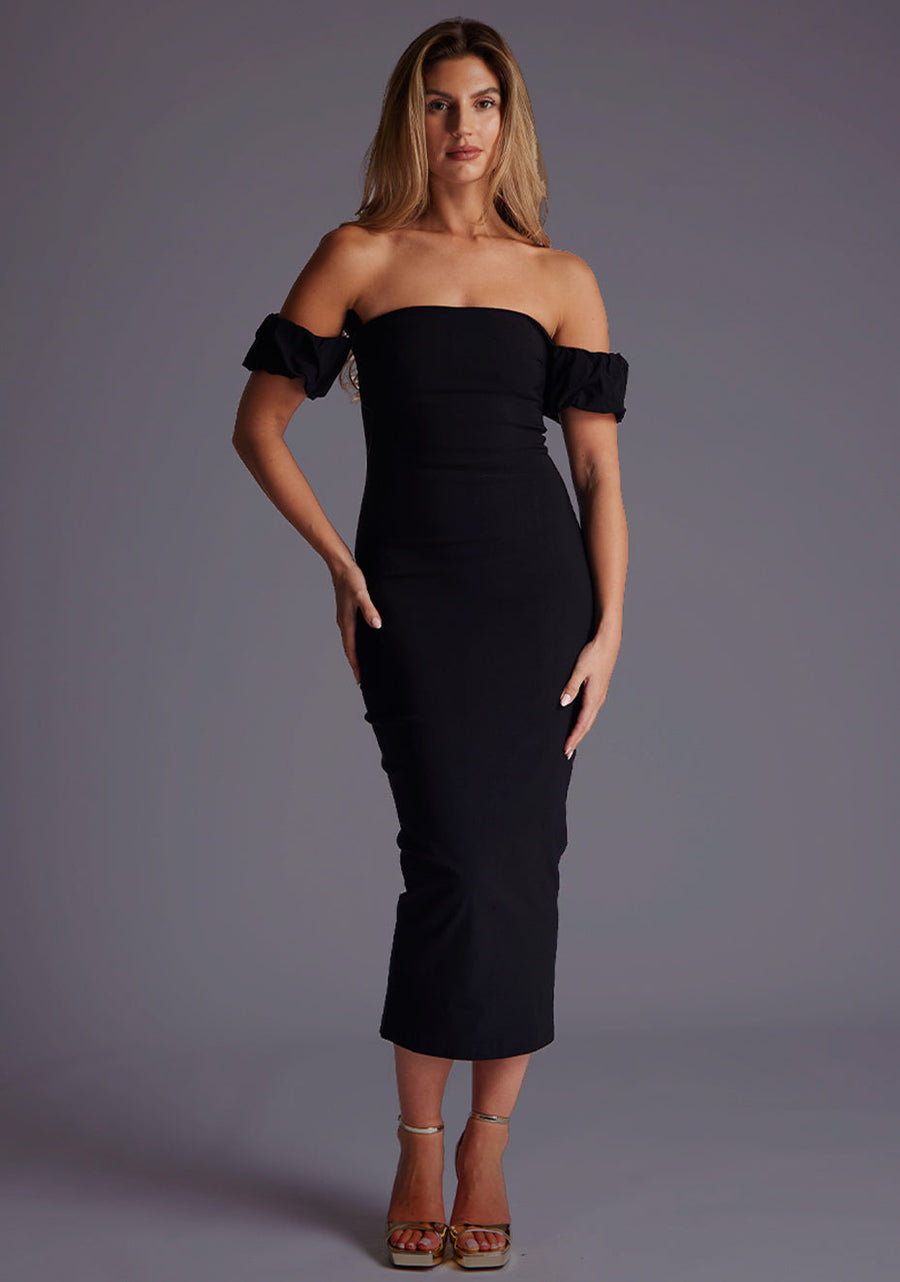

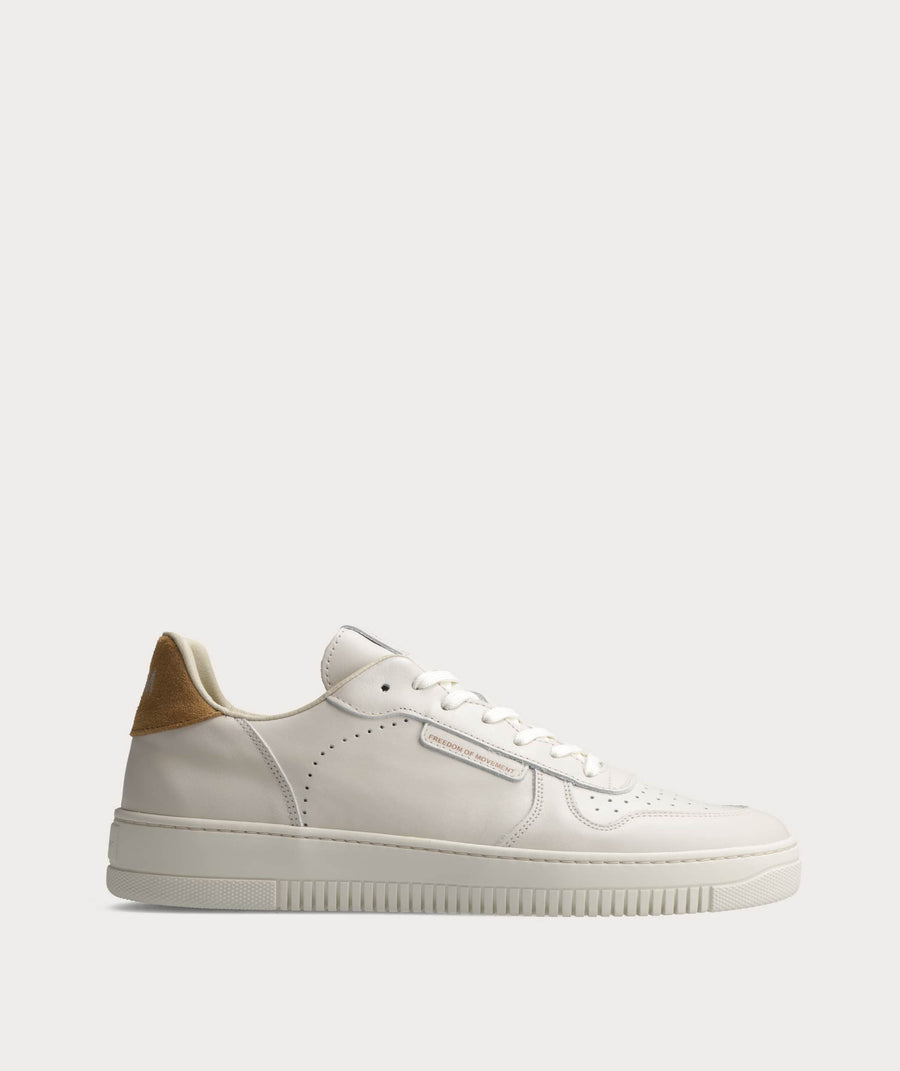
Browse these pieces on Kurlective. Check current availability with the retailer. Kurlective may earn a commission from qualifying retailer links.