




/ FASHION ● A KURLECTIVE STORY
Great Style Has Never Cared About Price Tags.
Some of the most convincing outfits come from unexpected combinations, not from matching budgets, labels or price points.
Kurlective may earn a commission if you buy through links on this page. It doesn't change the price you pay.

A well-cut blazer worn with a beat-up pair of sneakers can look more interesting than a pricey outfit lifted straight from one store window. So can a brightly colored scarf over a plain white shirt, or a beautiful old coat thrown on over clothes that are otherwise completely unremarkable.
The interesting part isn't the money saved or spent. It is the judgment behind the combination. Good style has a way of getting pieces from very different places to talk to each other, without asking any of them to announce what they cost.
The outfit needs a point of view
People sometimes talk about high-low dressing as if it were a budgeting exercise: splurge here, save there. The better question is what the outfit is trying to say. Does it feel relaxed, elegant, mischievous, architectural, romantic? What makes the pieces belong together?
An expensive blazer doesn't automatically make jeans look polished. Its shape, weight and length have to work with the pants underneath. By the same token, an affordable jacket with a good line can set the tone for an entire outfit. A label tells you where something came from. Proportion tells you whether the combination works.
Start by looking at the overall shape from a few steps back. Where does your eye go? Is the volume concentrated in one place? Does a slim top balance a wide-leg pant, or do two loose pieces create the right kind of movement together? Rules about proportion are best treated as suggestions, because a deliberately unexpected silhouette may be the whole point.
One: tailoring without the ceremony
Try a blazer over a simple T-shirt or a fine knit, with sneakers and pants cut the way you like to wear them. The pleasure comes from the contrast between the structured shape of the jacket and the ease of everything else.
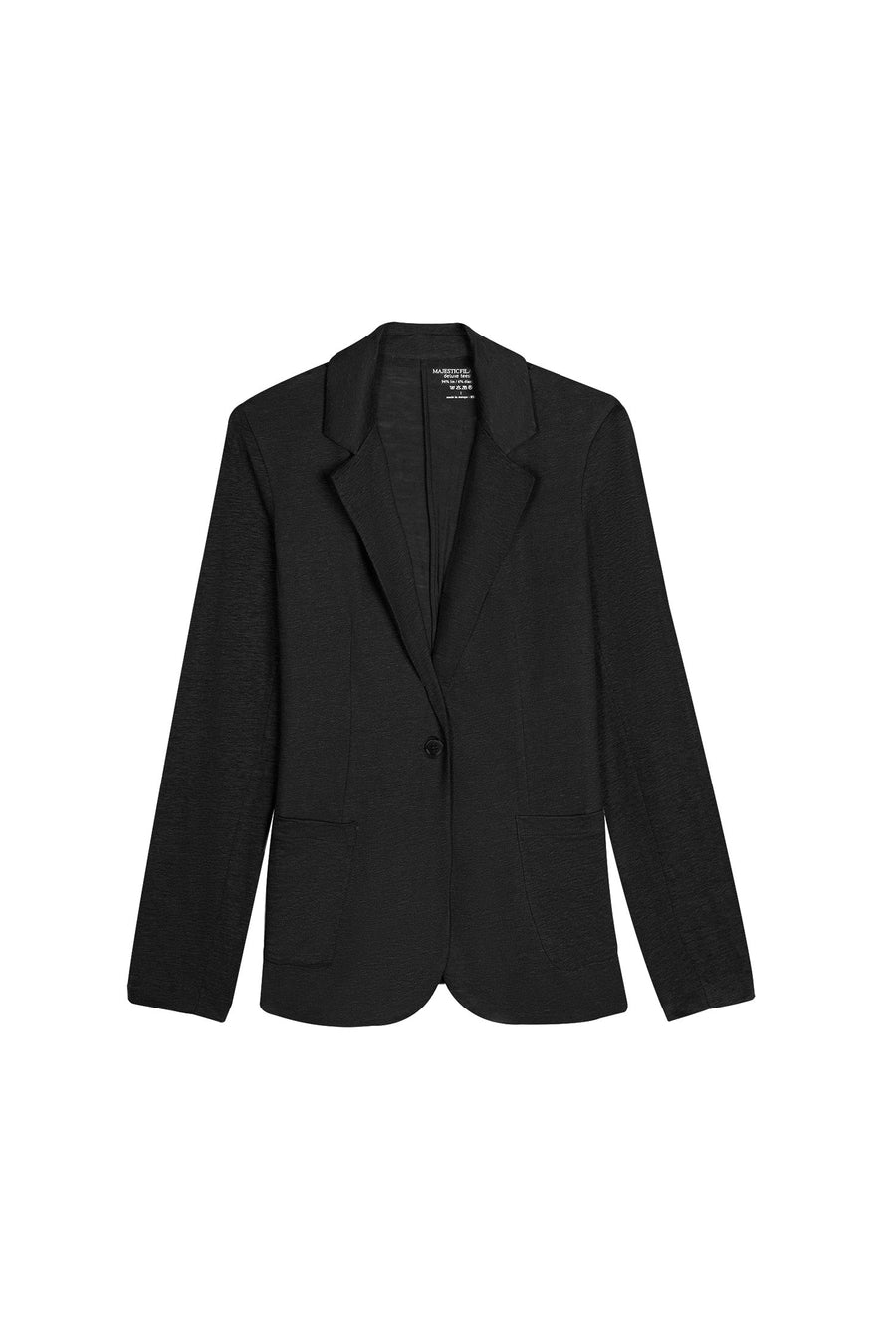
A single-button blazer in a textured, linen-heavy blend, with patch pockets, is one kind of shape to explore. It isn't a guarantee of a perfect fit; you will still need to judge the shoulders, the length and the fabric. But it shows how a tailored piece can be worn on its own terms rather than as half of a suit.
Keep the rest simple or add one unexpected detail: a bright sock, a textured bag, a necklace that means something to you. Make the styling choice because you like the effect, not to prove that a casual piece has been "elevated" by something expensive.
Two: let texture do the talking
Picture an outfit made from several shades of the same color. It can still feel vivid when the surfaces differ: crisp cotton, brushed knits, smooth leather and sturdy denim. Those contrasts add depth without needing prints or dramatic accessories.
Texture can make an everyday piece look deliberate next to something more precious. It also gives you a good way to wear older pieces whose color still works with newer clothes. The slightly worn jacket may turn out to be the most expressive thing in the outfit.
Pay attention to care and comfort, though. A striking material that snags on everything is unlikely to become a pleasure just because it photographs well.
Three: let one color lead
A strong color can be the whole story. Wear a vivid top with understated shoes, or carry a bold accent next to familiar neutrals. Resist the urge to make every other detail just as loud, unless more-is-more is genuinely your style.
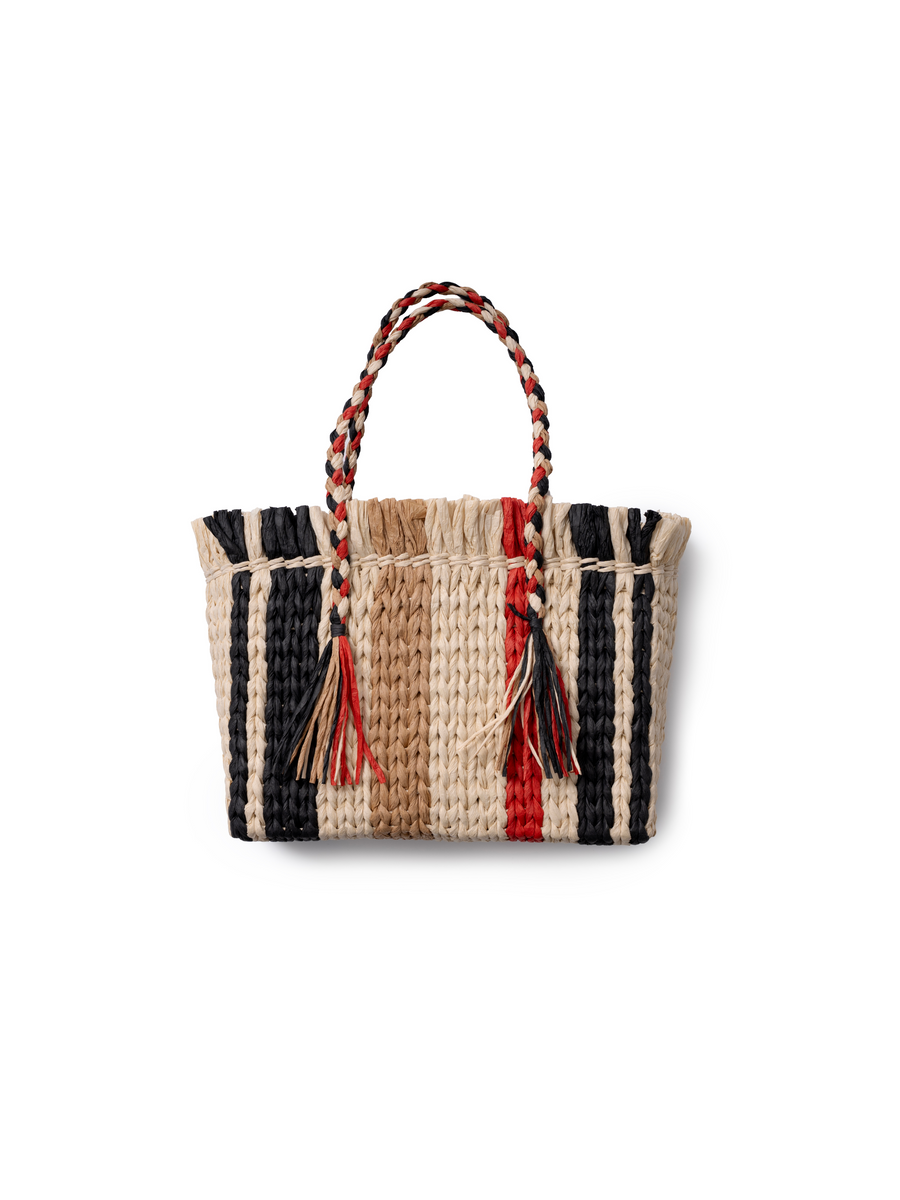
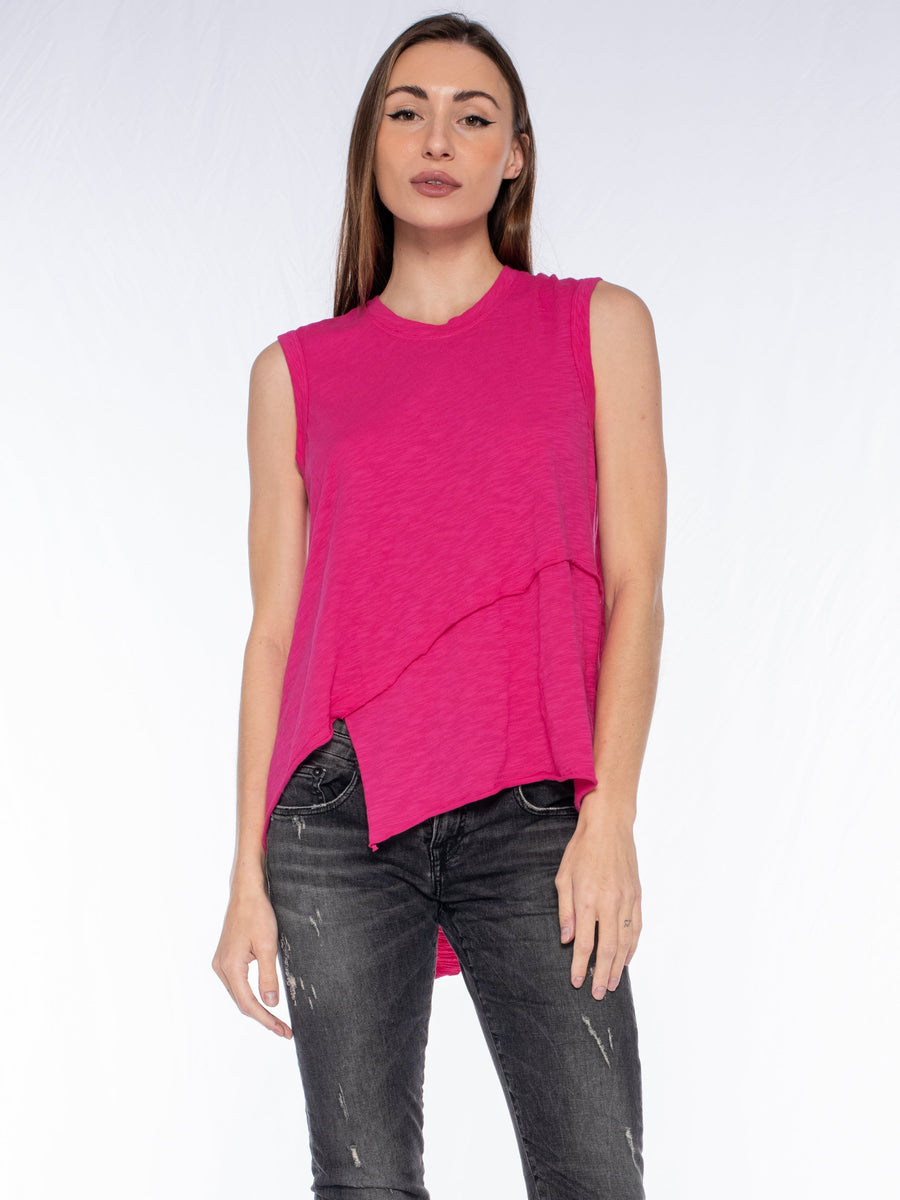
A handwoven tote with color-blocked stripes in black, natural and red is an easy way to test the idea without changing your whole wardrobe. A hot pink cotton shell with a crossover shirttail hem is a bolder route. Either way, whether the outfit works depends on the person wearing it and the occasion, not on some assumed ranking of brands.
Color is also cultural and personal. One person's quiet outfit is another person's idea of dressing for the stage. Wear what feels convincing on you instead of hunting for a universal definition of chic.
A coherent outfit doesn't need every piece to agree on price. It needs them to agree on attitude.
Four: a practical shoe changes everything
Shoes have a remarkable ability to shift an outfit's character. Boots can give a light dress more weight. A neat loafer can sharpen relaxed denim. A clean, simple sneaker can make tailoring feel less formal.
Try the combination while walking, not just standing still. Comfort changes your posture, and posture changes how clothes look. Shoes you can't move in comfortably rarely improve an outfit once you step away from the mirror.
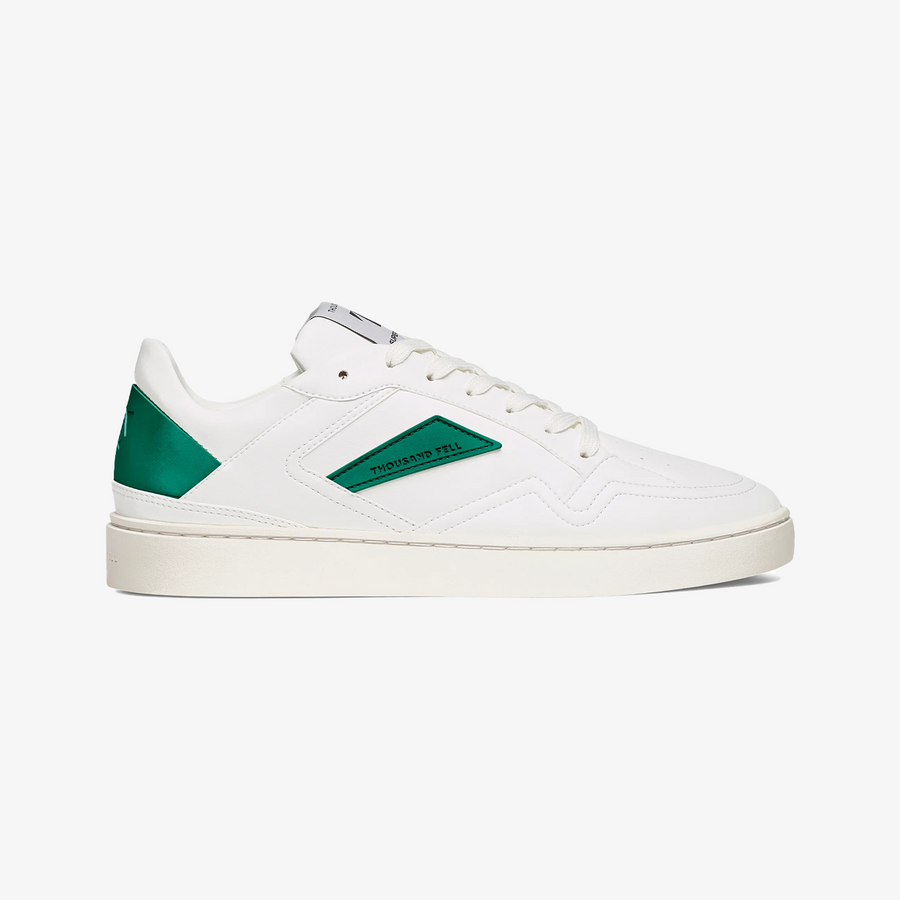
A pair of white-and-jade court sneakers, with a recycled upper and a water-resistant coating, is one of many ways to bring an everyday shape into a more considered look. Whether the pairing works will depend on the volume, color and mood of the rest of the outfit.
Five: the pleasure of a deliberate mismatch
Some of the best combinations are slightly odd. A vintage patterned shirt under a modern jacket. A delicate top with workwear pants. A sophisticated bag with an otherwise relaxed weekend outfit. The mismatch works when it looks chosen rather than accidental.
You can get that effect with inexpensive pieces, heirlooms, thrift-store finds, designer clothes or whatever you have held on to through several changes in taste. The story behind a piece may even make the outfit more personal. Something doesn't need to be current to have presence.
Care is part of the visual language
Price doesn't decide whether clothes are clean, stored properly or comfortable to wear. A shirt that fits well and gets pressed when it needs it can look more convincing than a costly one worn carelessly. Shoes that have been looked after often pull an outfit together.
That isn't an argument for perfection. A favorite pair of jeans can look better as it softens. A worn leather bag can develop character. Knowing which signs of wear appeal to you is part of learning your own taste.
Fit and alterations matter for the same reason. A simple hem can make a proportion look intentional. And a garment that fights you every time you put it on probably needs more than an impressive label to earn its spot in the closet.
Build a vocabulary, not a uniform
When you see an outfit you admire, ask what drew you in. Was it the line of the coat, the mix of textures, the flash of color at the neckline, or the confidence of the person wearing it? Those clues are useful even when the actual pieces are out of your budget or simply not available.
Use them to take a fresh look at what you already own. Try an unlikely combination. Let a favorite piece show up more often. Figuring out what you like is a far more rewarding pursuit than assembling an outfit that looks as though every piece came from the same price bracket.
There are countless ways to dress well, and almost none of them can be worked out by adding up the price tags. For more on building a wardrobe with room to play, read A Wardrobe Should Make Life More Interesting.
/ INSPIRED BY THIS STORY
Shop the story.
Pieces worth a closer look, inspired by this story.
Browse these pieces on Kurlective. Check current availability with the retailer. Kurlective may earn a commission from qualifying retailer links.